%20(500%20%C3%97%20200%20px)%20(1).png)

PUGLIA
Puglia, or Apulia, is the southeastern region forming the heel of Italy's "boot." It is known for its whitewashed hill towns, centuries-old farmland, and hundreds of kilometers of Mediterranean coastline. It is an amazing region that I love to revisit.
The capital Bari, is a vibrant port and university town with spectacular food, castles, churches, and friendly people.
Ostuni is in the heart of Puglia. It is famous for it's white painted old town which forms a maze of cobbled streets and narrow staircases. It is often referred to as The White City.
Lecce is the cultural capital of Puglia. The buildings of the city are built in local limestone and dolled up in baroque embellishments. With it's many monuments, churches, and museums, it has been given the nickname “The Florence of the South.” This just may be my favorite Italian City.
Alberobello and the Itria Valley are home to trulli, whitewashed stone huts with distinctive conical roofs that have been around for centuries. During the 1500s many locals found it challenging to pay their tax to the feuding lords of the land. They built the trulli houses, using stones found in the area, so they can quickly tear it down to avoid paying taxes during an inspection. Alberobello is an UNESCO world heritage site.
Ceglie Messapica has earned the nickname "The Food Capital of Puglia" due to it's high number of awarded restaurants and delicious local recipes.



FOOD & WINE
Puglia is known among Italians for it's quality cuisine, wines, and olive oil. It is the birthplace of burrata cheese, orecchiette pasta and tiella, the Italian take on Spanish paella.
Orecchiette con cime di rapa (broccoli rabe) is an Apulian classic. In the alleys of Bari's Old Town, you can watch women tirelessly prepare the orecchiette by hand.
Panino Cegliese is a must try when visiting Ceglie Messapica. It's a small bread roll stuffed with spicy provolone, tuna, capers, and mortadella. This panino was invented post World Was II. The idea was to combine 4 different ingredients from 4 different provinces into one untied panino protected by Rosetta bread, the typical bread of the workers.
Panzerotti are a typical Apulian street food. Similar in appearance to a small calzone, panzerotti are fried not baked. Traditionally filled with tomatoes and cheese, there are other savory fillings that can be added. On the sweeter side, try Panzerotti con Ceci. Filled with mashed chickpeas and jam, these are enjoyed warm and dusted with powdered sugar or dipped in honey.
Puglia's seafood is sourced from two seas, the Adriatic and Ionian. The commonly used fish in Pugliese cuisine are different species of oily fish, among which there are anchovy, tuna, sardine, salmon, swordfish, yellowtail, mackerel, and bonito, to name a few. Squid, calamari and octopus are plentiful, and boy did I eat my fill.
Tiella is a classic regional dish of rice, mussels, tomatoes, onions, and potatoes baked to perfection.
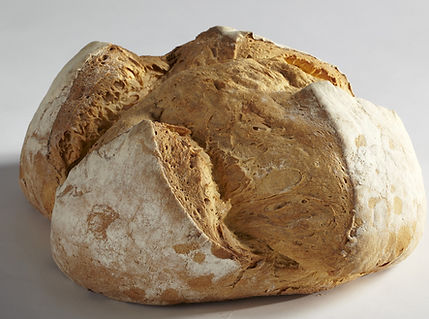
Pane di Altamura is an ancient bread from the Puglia region. It is particularly special, as it is the only bread in Europe that has Protected Designation of Origin (PDO) status, which was granted by the EU in 2003. To get an idea as to how long and how much this bread has been part of the Puglia local food culture, the Latin poet Horace in 37 BC was hailing it the best bread he had ever eaten. The PDO ensures when locals and visitors taste the bread they know what they’re eating is the same as what Horace sampled in 37 BC.

.jpg)
Primitivo, also known as zinfandel, is one of the most widely planted grapes in the region. Undoubtedly the hallmark grape of Puglia. This grape makes wine that is big and jammy, with chewy tannins, high alcohol content, and a sweet finish.
Primitivo di Manduria Dolce Naturale was Puglia's very first DOCG. This sweet wine is solely made from Primitivo grapes dried on the vine.
Negroamaro is a grape that produces some of the best red wines of Apulia. It is lighter than Primitivo and was my choice red with dinner while in Puglia.
Salice Salentino DOC wines labeled Negroamaro Rosso, or Rosato must be made with a minimum of 90% of Negroamaro grapes.
Beyond the main grapes of Negroamaro and Primitivo, Bombino Nero makes rosati and red table wines.
While Puglia is most known for red wines, there are white varietals worth tasting. Malvasia was one of my favorites while in the region, especially when blended with Negroamaro in rosati. Verdeca is a relatively rare white grape that is almost exclusively found in the Taranto and Bari provinces. Negroamaro bianco is also one of my top choices for a crisp white wine with nice acidity.
CONTACT
Get in touch so we can start creating your Italy vacation.